
Есть ли шанс на образование после вынужденной эмиграции?
01 сент. 2026 г.
На протяжении десятилетий международное образование оставалось привилегией тех, кто мог позволить себе учиться за рубежом. Но что происходит со студентами, чью жизнь нарушили война, политические преследования или вынужденное переселение? Может ли международное образование стать по-настоящему доступным? Мы поговорили с Дэниелом Калингартом, управляющим директором Глобального альянса высшего образования XXI века (GHEA21) и деканом по глобальным программам Бард-колледжа.
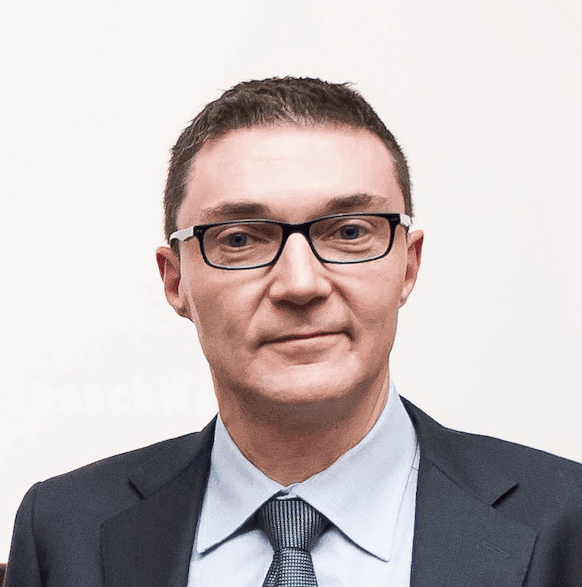
GHEA21 описывает себя не просто как университетскую сеть, а как новую модель глобального высшего образования. Что именно перестало работать в традиционной университетской модели, основанной на стабильной географии, предсказуемых биографиях и линейных образовательных траекториях?
Вы задаёте масштабный вопрос, и в высшем образовании действительно немало проблем. Я бы сказал, что GHEA пытается решить одну конкретную проблему: международное образование доступно далеко не всем. Даже если посмотреть на студентов американских университетов или университетов Европейского союза, лишь около 10% действительно могут учиться в другой стране. Конечно, это очень ценный опыт, который может изменить человека, но получается, что у подавляющего большинства студентов таких возможностей нет. Сейчас появляется всё больше возможностей получать международное образование онлайн, однако они, как правило, носят, скажем так, разрозненный характер. GHEA создаёт траекторию международного образования, доступную всем студентам наших университетов-партнёров в разных частях мира и полностью встроенную в их обучение. Это означает, что студент может участвовать в международном образовании на протяжении всех четырёх лет бакалавриата. А ещё это означает, что студенты, живущие там, где они и представить себе не могли совместную учёбу со студентами из других стран, получают такую возможность. В сети GHEA учатся студенты из Палестины, Бангладеш, лагерей беженцев в Кении, а также афганские девушки, находящиеся в Афганистане. Для них эти возможности особенно ценны.
Чем это отличается от обычного онлайн-образования и как работает на практике?
Существует множество вариантов онлайн-образования, и часто они предполагают обучение в собственном темпе: студенты могут заниматься по удобному для себя расписанию. Некоторые из таких курсов могут быть очень серьёзными и качественными. Проблема в том, что обычно это довольно одинокий опыт. В подобных форматах студенты зачастую очень мало общаются с преподавателями, не говоря уже о других студентах. Поэтому им нужна очень сильная внутренняя мотивация, а поддерживать её непросто. У онлайн-образования есть и другой недостаток: при изучении некоторых дисциплин, например гуманитарных или социальных наук, теряется значительная часть содержательной глубины, которую дают настоящие, обстоятельные разговоры с другими студентами. По сути, GHEA берёт модель американского колледжа свободных искусств и наук — с небольшими группами, обучением, ориентированным на студента, и активным взаимодействием на занятиях — и воссоздаёт эту среду онлайн.
То есть у вас только онлайн-занятия в прямом эфире? Не записи, а занятия в реальном времени, на которые нужно приходить в определённый час, верно?
Да, главное отличие в том, что вместо физической аудитории у нас онлайн-аудитория, куда все должны прийти. Мы просим всех студентов включать камеры. Конечно, из-за проблем со связью не все могут это сделать, но мы ожидаем, что они будут присутствовать, активно участвовать и включаться в работу.
Мы работали с преподавателями над разработкой курсов, чтобы они были ориентированы на студентов, предполагали активное взаимодействие и использовали методы преподавания, вовлекающие студентов в работу. Например, на своих занятиях я здороваюсь, приветствую всех и сразу предлагаю письменное задание. Вот задан вопрос и все пишут, все думают. Затем их размышления становятся отправной точкой для обсуждения. У нас есть и групповые проекты: студенты из самых разных мест должны вместе исследовать какую-либо проблему и подготовить презентацию или выполнить другое задание.
Но как вы решаете проблему разных часовых поясов?
В большинстве случаев это удаётся. Например, преподаватели в США проводят занятия рано утром, а значит, некоторые студенты, скажем, в Мьянме или Бангладеш, учатся ночью. Но они хотят учиться и приходят.
Как университеты внутри такой сети сотрудничают друг с другом? Как это устроено технически?
Каждый семестр мы предлагаем около 50 курсов, и любой студент в любой точке нашей сети может записаться на любой из них. Например, если вы учитесь в Американском университете в Центральной Азии, вы можете посещать курсы Бард-колледжа, Аль-Кудс Бард, Университета BRAC в Бангладеш и так далее. По сути, это общий набор учебных курсов, доступный каждому студенту сети.
Для большинства наших студентов курсы GHEA либо дополняют основное обучение, либо засчитываются в программу получения диплома их собственного университета. Так, если вы студент BRAC и, допустим, изучаете инженерное дело, вы получите инженерный диплом Университета BRAC, но при этом можете посещать и курсы GHEA. В таком случае курсы GHEA по социальным наукам и наукам об окружающей среде дополняют вашу основную программу.
Общей «валютой» служат академические кредиты: все университеты-партнёры признают кредиты, полученные за курсы в других университетах.
Правильно ли будет сказать, что вы создаёте альтернативный путь получения образования для вынужденно эмигрировавших студентов, или эта система предназначена для всех?
И то и другое. Около половины наших студентов — вынужденные мигранты, поэтому этой группе уделяется очень большое внимание. Но другая половина — обычные студенты, и для нас очень важно понимать, что такое сочетание и совместное обучение идут на пользу всем. Я наблюдал это на примере собственных студентов в Бард-колледже. Когда они общаются, например, со студенткой из Афганистана, это действительно расширяет их представление о жизни в разных частях мира и заставляет пересматривать свои взгляды так, как никогда не произошло бы, если бы они учились только с американскими студентами в аудитории на севере штата Нью-Йорк.
Для вынужденных мигрантов мы предлагаем разные пути в высшее образование. Хороший пример для российских студентов — как остающихся в стране, так и уехавших — проект Smolny Beyond Borders («Смольный без границ»). Они могут записываться на отдельные курсы Смольного. Все курсы соответствуют международным университетским стандартам, поэтому, независимо от предыдущего образования студента, успешное обучение на них показывает, что он способен учиться в такой академической среде. Затем у него появляется возможность посещать курсы GHEA, которые предлагают другие университеты, продолжать обучение на дополнительных курсах, получать академические кредиты и постепенно формировать портфолио учебных результатов. Эти результаты можно либо перезачесть в другом университете, либо, по крайней мере, использовать как основу для дальнейшего движения к получению диплома.
У нас также есть партнёрская организация — Afghan Female Student Outreach Program, программа поддержки афганских студенток. Она предлагает именно такой путь женщинам в Афганистане, у которых практически нет других возможностей продолжить образование. Некоторые из этих студенток, в том числе несколько тех, кому я сам преподавал, до вынужденного перерыва в учёбе успели, например, окончить три курса медицинского факультета Кабульского университета или других вузов.
Им удалось вернуться в высшее образование, хотя, к сожалению, не в изначально выбранную ими медицину. Вместо этого наша образовательная траектория позволяет им двигаться к получению диплома в области социальных наук.
Они начинают с отдельных курсов. Многим нужно пройти два-три курса, прежде чем они выйдут на ожидаемый нами академический уровень. Часто у них прекрасный английский, но они приходят из образовательных систем, во многом построенных на механическом заучивании. Поэтому они ещё не привыкли самостоятельно выстраивать аргументацию, анализировать доказательства и мыслить критически. Первые курсы как раз и призваны поставить перед ними такие задачи.
Успешно завершив эти курсы и получив кредиты, они могут перейти к курсам GHEA — курсам нашей глобальной сети, на которых вместе учатся студенты из любой точки мира.
Кроме того, с сентября прошлого года в Бард-колледже действует программа, которую мы называем Bard Global Degree Program: полностью дистанционная программа получения диплома Бард-колледжа, разработанная специально для вынужденных мигрантов. Афганские студенты могут пройти по этой траектории и в итоге получить диплом Бард-колледжа онлайн.
Эта же пошаговая модель — начать с отдельных курсов, продемонстрировать готовность к университетской учёбе, накопить кредиты, а затем перейти к обучению по программе получения диплома — лежит в основе многих наших образовательных траекторий.
В целом, работая с вынужденными мигрантами, мы исходим из того, что они не просто пытаются справиться с непосредственной чрезвычайной ситуацией, а ищут путь к полноценному диплому, который в дальнейшем откроет им доступ к магистратуре и другим последующим ступеням образования, трудоустройству и иным долгосрочным возможностям.
Мы открыты для вынужденных мигрантов, у которых может не быть официальных документов об образовании и которым часто нужна подготовительная программа, чтобы справиться с нашими достаточно сложными курсами. Мы готовы обеспечивать такую поддержку.
Большинство наших вынужденно мигрировавших студентов получают дипломы в таких учреждениях, как Американский университет Афганистана, Университет Парами, который сейчас работает в изгнании за пределами Мьянмы, и других. У этих студентов уже есть основной университет, и эти вузы намерены в долгосрочной перспективе помогать им пройти полноценные программы и получить дипломы. Наше сотрудничество в рамках GHEA дополняет эти программы: студенты получают доступ к гораздо более широкому выбору курсов и, что не менее важно, возможность учиться вместе со сверстниками из разных стран и с разным образовательным опытом.
Принимаете ли вы новых участников в свою сеть? Как университет может к ней присоединиться? Есть ли какие-то требования? Как это происходит?
Мы всегда открыты к разговору с университетами, которые хотят присоединиться к сети. Но участие предполагает серьёзные обязательства, поэтому мы хотим, чтобы каждый университет заранее понимал, что это означает.
Мы усвоили это на собственном опыте. В первые годы участников было гораздо больше, но некоторые университеты не принимали активного участия в работе и в итоге покинули сеть.
Причина проста. Если университет приходит в GHEA с вопросом: «Что мы от этого получим?», ответ будет таким: в материальном смысле — немного. Денег здесь нет. Университеты вступают в эту сеть, потому что разделяют приверженность академической свободе и считают важным расширять доступ к международному образованию. Именно эти общие ценности и объединяют сеть.
И мы видим, как это работает. Мы действуем уже пять или шесть лет и за это время сталкивались с одним кризисом за другим — в Мьянме, Афганистане, Украине. Я вижу это в наших разговорах о том, как реагировать на происходящее. Каждый месяц у нас проходит встреча руководителей, отвечающих за академическую деятельность. Никто не позирует, не пытается укрепить собственную репутацию или выяснить, какую выгоду можно извлечь. Всё очень практично. Каждый по очереди говорит: я могу предложить это, я могу предложить то; я хотел бы помочь; в этой ситуации я помочь не могу. В основе — общее понимание: нынешний кризис, возможно, происходит в России, но следующий может затронуть их самих.
Университеты сети с более долгой историей давно привержены поддержке вынужденных мигрантов. Например, Американский университет Бейрута десятилетиями принимает таких студентов с Ближнего Востока. Аналогичным образом Витватерсрандский университет в Южной Африке стал убежищем для вынужденно перемещённых африканцев из самых разных стран. Эта общая приверженность и эти ценности очень глубоко заложены в их ДНК. Поэтому, приглашая новых партнёров, мы ищем университеты, которые разделяют такую позицию.
Что, на ваш взгляд, университетам нужно понимать о вынужденно перемещённых студентах? Что оказалось самым сложным в вашем опыте?
Например, у студентов, которым приходится учиться онлайн, часто нестабильный интернет, и они не могут участвовать в занятиях настолько полноценно, насколько нам хотелось бы. Но главное заключается в другом: если университеты действительно намерены работать с вынужденными мигрантами, им нужно не просто проявлять гибкость, а быть по-настоящему открытыми к их потребностям. Во многих случаях студенты сталкиваются не только с академическими трудностями, но и с последствиями травмы. Я знаю, что многие наши преподаватели обмениваются опытом применения педагогических подходов, учитывающих травматический опыт. Университеты, действительно приверженные поддержке вынужденных мигрантов, замечают талант, который многие другие учреждения не видят, признают его ценность и, по сути, исходят из установки: мы идём навстречу вам в той же мере, в какой вы идёте навстречу нам. Мы стараемся выстраивать партнёрство с сообществами, понимать их потребности и ценить то, что они привносят. И мы видим, например, что американские студенты учатся у студентов-беженцев не меньше, чем студенты-беженцы у американских студентов.
В отличие от этого, некоторые очень престижные университеты предлагают полные стипендии вынуженным мигрантам или другим студентам из маргинализированных сообществ, но отбирают тех, кто выглядит наиболее перспективным, и ожидают, что эти студенты придут к ним, полностью интегрируются и будут всё делать на условиях университета.
Что международные университеты чаще всего недооценивают в опыте вынужденно перемещённых студентов?
Я бы сказал, что дело в традиционных способах оценки готовности к учёбе. Классический пример: у многих наших студентов-беженцев в Кении нет аттестата о среднем образовании. Даже если они окончили школу, у них может не быть подтверждающих документов. При традиционном подходе им скажут: вы не соответствуете базовым критериям — и на этом разговор закончится.
Мы действуем иначе. Мы можем провести собственное тестирование и оценить потенциал и способности студента. Оставим документы в стороне: мы проведём собственную оценку и обнаружим множество талантливых людей, которых обычно не замечают. Поскольку у нас есть подготовительные программы, мы смотрим на потенциал. Даже если сегодня вы ещё не готовы приступить к курсу университетского уровня, мы знаем, что можем подготовить вас за полгода, за год или за столько времени, сколько потребуется. Мы выстроили путь, который позволяет сказать: хорошо, если у вас достаточно английского и мы видим, что вы умеете критически мыслить, дальше мы вам поможем. Мы предложим языковые курсы, занятия по академическим навыкам, а затем постепенно — для начала, возможно, один курс сети GHEA. Если вы с ним справитесь, добавим другие. То есть мы продумываем весь путь — от той точки, в которой студент находится сейчас, до степени бакалавра.
Как студенту понять, действительно ли университет готов работать с иностранными студентами из групп риска, а не просто заявляет об этом на своём сайте?
Многое зависит от того, какую информацию студентам удастся получить. Очевидно, самое точное представление дадут другие студенты этого университета из вынужденных мигрантов, которые могут откровенно рассказать о своём опыте. Но в целом я бы советовал обращать внимание на образ мышления и подход: стремится ли университет идти навстречу студентам, учитывая их реальное положение, или ожидает, что они придут полностью подготовленными и будут всё делать исключительно на его условиях?
А что вы думаете об онлайн-образовании в целом? Как вы помните, после пандемии много говорили о том, что оно навсегда изменит образовательный ландшафт. Что из этого оказалось правдой, а что нет?
С нашими курсами получилось интересно. Мы начали работу в самом начале пандемии, когда все преподавали онлайн. Почти случайно мы поняли, что можем просто открыть все наши курсы студентам всей сети. Это сделало занятия интереснее и значительно расширило выбор для студентов.
Затем, когда университеты вернулись к очному обучению, мы подумали: «О боже, всем уже надоел Zoom. Возможно, на этом наша работа закончится». Но вместо этого мы увидели лишь небольшое снижение числа записей на курсы в течение одного семестра. После этого показатели восстановились и продолжили расти.
Мы поняли, что студенты традиционных университетов с физическими кампусами могут посещать три-четыре курса очно и при этом выбирать один онлайн-курс GHEA, потому что это особый опыт. Это часть международного образования — возможность общаться со студентами со всего мира. Отзывы студентов об этом опыте были в подавляющем большинстве положительными.
Для других студентов , опять же, афганцев, многих российских студентов и других, онлайн-обучение не просто один из вариантов, а единственная возможность продолжить образование.
Но как следует измерять успех таких глобальных образовательных проектов? По числу студентов, по реальным результатам в их жизни или по качеству образования и полученного опыта?
Мы рассматриваем целый ряд показателей. Число записей на курсы важно, поскольку отражает спрос со стороны студентов, но это лишь один из критериев.
Мы также уделяем очень много времени оценке качества наших курсов. С самого начала в конце каждого семестра мы собираем отзывы студентов и задаём, например, такие вопросы: записались бы вы к нам на ещё один курс? Порекомендовали бы его другу? Неизменно более 90% студентов отвечают утвердительно.
Но нас не устраивало измерение одной лишь удовлетворённости. Мы переработали систему оценки, чтобы гораздо яснее понимать, чему студенты действительно учатся. Мы осознаём, что должны предлагать не просто нечто равноценное тому, что студенты могут получить в своём университете, а что-то особенное и по-настоящему ценное. Курсы нужно целенаправленно проектировать, а преподавателям — вести занятия так, чтобы студенты учились друг у друга.
Например, один из вопросов в наших анкетах звучит так: в какой степени этот курс побудил вас рассматривать проблемы с иной географической или культурной точки зрения? Именно к такой интеллектуальной вовлечённости мы стремимся.
Что касается долгосрочных результатов, для многих наших студентов - вынужденных мигрантов пока слишком рано делать определённые выводы. Их дальнейшие возможности остаются ограниченными по причинам, которые часто мало связаны с самим образованием.
Тем не менее мы уже видим обнадёживающие признаки. Многие наши студенты уже работают в международных организациях и местных некоммерческих организациях.
Многие из наших студентов-беженцев в Африке впоследствии получили стипендии на обучение за рубежом или нашли работу, в том числе в лагерях беженцев. Одна из ключевых причин — образование научило их критически мыслить, и это отличает их от многих сверстников. В нашем партнёрском Университете Аль-Кудс студенты, прошедшие программу свободных искусств и наук, тоже часто успешнее находят работу, чем те, кто учился по узкопрофессиональным программам, например по фармакологии.
Это особенно интересно, потому что во многих из этих обществ семьи поначалу сомневаются в ценности образования в области свободных искусств и наук. Они спрашивают: какую работу можно получить, изучая историю или социологию?
Ценность профессионального образования объяснить легко. Изучая инженерное дело, вы готовитесь стать инженером. Изучая медицину, вы готовитесь стать врачом или медицинским исследователем. Образование в области свободных искусств и наук устроено иначе.
Наш ответ таков: мы учим студентов самостоятельно мыслить, приспосабливаться к меняющимся обстоятельствам, понимать сложность и нюансы и продолжать учиться всю жизнь. Именно эти качества готовят человека не только к первой работе, но и к целой жизни, в которой он будет учиться, адаптироваться и профессионально развиваться.
Мы занимаемся этим уже достаточно долго, чтобы располагать свидетельствами очень положительных результатов. Например, в Палестине мы видим, что выпускники программ свободных искусств и наук успешно трудоустраиваются.
Я также думаю о нашем партнёре, Университете Парами, который был вынужден покинуть Мьянму и работать в изгнании. В конце этого месяца или, возможно, уже на следующей неделе у них состоится самый первый выпуск бакалавров. Вскоре мы сможем увидеть и их долгосрочные результаты.
Давайте поговорим о вашем личном взгляде на современные глобальные тенденции. Как, по-вашему, искусственный интеллект и цифровые технологии в целом изменят университеты?
Они уже их меняют, и адаптация по-прежнему остаётся непростой задачей. Очевидная проблема в том, что из-за ИИ студентам становится труднее сосредоточиться на самостоятельном написании эссе, именно собственных эссе, или даже на чтении книг целиком вместо кратких пересказов. Это реальность сегодняшнего мира, и я смотрю на неё так: даже если нам очень не нравится ИИ, мы должны учить студентов жить или готовить их к жизни в мире, где ИИ уже существует.
ИИ будет повсюду. Он будет становиться всё мощнее и всё шире проникать в нашу жизнь, поэтому просто пытаться его игнорировать — нереалистичный вариант.
Приведу пример. В прошлом семестре я вёл курс по написанию текстов для широкой аудитории и на нескольких занятиях намеренно просил студентов использовать ИИ. Я хотел, чтобы мы поработали с ним вместе и обсудили, какое использование ИИ можно считать уместным и этичным, а какое переходит допустимую границу. Интересно, что многие мои студенты оказались настроены по отношению к ИИ более скептически, чем я.
Я считаю, что у ИИ есть вполне допустимые образовательные применения, но не менее важно, чтобы студенты учились критически осмыслять саму эту технологию. Мы должны подходить к работе с ней вдумчиво.
В то же время преподаватели всё ещё пытаются решить принципиальную проблему: как добиться того, чтобы студенты продолжали думать и писать самостоятельно? Письмо — не просто механическая работа, это процесс критического мышления. Именно в процессе письма люди проясняют идеи, выстраивают аргументы и проверяют собственные рассуждения.
Мы можем по-разному адаптировать преподавание. Например, чаще давать письменные задания прямо на занятиях или разбивать работу на последовательные этапы: сначала студент представляет план и основной аргумент, затем получает обратную связь, пишет первый вариант, перерабатывает его и так далее. Тогда мы оцениваем ход мысли студента на протяжении всего процесса, а не только конечный результат, который могла сгенерировать машина.
Но я должен признать, что мы ещё не решили эту проблему. Как и многие преподаватели, мы продолжаем учиться тому, как лучше адаптировать преподавание к миру, в котором ИИ становится всё более важной частью образования.
Как вы думаете, искусственный интеллект сделает образование доступнее, в том числе для студентов из групп риска и беженцев, или углубит образовательное неравенство? Например, если человек находится в стране с ограниченным доступом к интернету, такой как Афганистан, он не может пользоваться искусственным интеллектом в той же степени, что и студенты в США, верно?
Я действительно считаю, что в доступе к ИИ есть неравенство, хотя, возможно, не такое сильное, как я ожидал.
Например, когда я проводил это упражнение со своими студентами, сначала спросил, есть ли у всех доступ к инструменту ИИ или мне лучше воспользоваться собственным аккаунтом и включить демонстрацию экрана. Среди моих студентов были люди из Афганистана и Мьянмы, но каждый ответил: «Нет-нет, всё в порядке, у нас у всех есть доступ». Поэтому, по крайней мере на этом базовом уровне, сам доступ проблемой не оказался.
Однако выяснилось, что в информации, на которую опираются модели ИИ, существует значительный географический перекос. Они обучаются преимущественно на материалах из США, Европы и других частей Глобального Севера, поэтому гораздо лучше знают именно эти контексты.
Один пример мне особенно запомнился. Афганский студент написал о вооружённом конфликте, в ходе которого пакистанские военные наносили удары по территории Афганистана. Когда студент попросил ИИ прокомментировать текст, модель просто не знала об описываемых событиях. Это очень наглядно показало, что у таких систем есть существенные слепые зоны и заложенные в них перекосы.
Есть и практическое неравенство. Студенты, которые активно полагаются на ИИ, часто пользуются бесплатными версиями этих инструментов, а у них есть существенные ограничения. Обычно они допускают лишь ограниченное использование, после чего предлагают оформить платную подписку. Для студентов с небольшими финансовыми возможностями стоимость подписки может стать реальным барьером, создавая ещё один уровень неравенства в доступе к этим технологиям.
Я разговаривал с рядом людей, которые с энтузиазмом относятся к использованию ИИ для более индивидуализированного обучения. ИИ может давать персональную обратную связь и адаптировать отдельные элементы учебного процесса к потребностям конкретного студента. Но у GHEA другой подход. Мы придаём гораздо большее значение непосредственному человеческому взаимодействию студентов и преподавателей.
Как, по-вашему, будет выглядеть международное высшее образование через 10–15 лет? Какие изменения станут главными? Чего вы ожидаете?
Мне очень трудно предсказывать будущее, но есть несколько вещей, которые я надеюсь увидеть.
Во-первых, я надеюсь, что международное образование будет гораздо глубже встроено в основные университетские программы по всему миру. Я считаю, что GHEA делает действительно важное дело, но эту модель нельзя просто бесконечно масштабировать. Скорее я надеюсь, что она вдохновит другие университеты воспроизвести её или адаптировать её основные идеи.
Главная идея на самом деле очень проста: вместо того чтобы создавать бесчисленные новые программы, почему бы не делиться теми, которые у нас уже есть? Это сделало бы международное образование доступным для гораздо большего числа студентов — особенно для тех, у кого нет реальной возможности учиться за рубежом.
Во-вторых, я бы отметил, что многие из самых успешных инициатив в высшем образовании отличаются высокой способностью к адаптации. Думаю, это одна из главных сильных сторон GHEA. Когда наши партнёры собираются вместе, мы выносим предложения на обсуждение и каждый вносит свои замечания. Мы начинаем разговор так: «Вот проблема, с которой мы все сталкиваемся. Как вы её решаете? Что у вас сработало?» Это создаёт непрерывный процесс взаимного обучения.
И этот процесс, по сути, никогда не заканчивается. ИИ — лишь последний пример нового вызова, в котором мы пытаемся разобраться вместе. До него была пандемия. Этот опыт ещё раз подтвердил один из главных уроков, усвоенных нами за эти годы: успешные образовательные партнёрства зависят не от жёстких планов, а от способности вместе приспосабливаться к меняющимся обстоятельствам.
Какой совет, исходя из вашего опыта, вы дали бы студентам из групп риска и университетам, которые их поддерживают?
Студентам я прежде всего сказал бы одно: не соглашайтесь на худшее. Я понимаю, насколько трудно бывает найти возможности для учёбы, но студенты не должны считать, что только потому, что они оказались в группе риска или были вынуждены покинуть свой дом, им нужно довольствоваться второсортным образованием или программой, которая оставляет их на обочине. Им следует думать о своём долгосрочном будущем, а не только о ближайшем шаге. Обществу нужны образованные, способные лидеры, и эти студенты вправе рассчитывать на то, что станут частью такого будущего.
Один из самых обнадёживающих выводов, которые мы получили: студенты-вынужденные мигранты и студенты из групп риска нередко ценят гражданскую активность даже выше, чем студенты традиционных университетских программ. Это показало очень интересное исследование, недавно проведённое моими коллегами.
Хороший пример — афганские студенты. Многие из тех, кто был вынужден покинуть страну, видят в гражданской активности способ сохранять связь с Афганистаном, помогать своим сообществам и не терять ощущение смысла. И, пожалуй, самое важное, она даёт им чувство, что они способны действовать и влиять на происходящее. Они не хотят, чтобы их воспринимали как объекты благотворительности. Они хотят быть людьми, которым есть что предложить и которые получают образование, чтобы стать лидерами в своих сообществах, где бы эти сообщества ни находились.
Что касается университетов, мой главный вопрос был бы очень простым: зачем вы это делаете? Если вы говорите, что поддерживаете вынужденных мигрантов или студентов из групп риска, какова ваша настоящая мотивация? Просто набрать несколько выдающихся студентов, демонстрировать их публике и укрепить репутацию университета? Или вы действительно намерены поддерживать этих студентов и готовы вкладывать время, ресурсы и профессиональные знания, необходимые для качественной работы?
Мне кажется, это прекрасное завершение нашего разговора. Особенно меня затронули ваши слова о гражданской активности. В каком-то смысле, вкладываясь в студентов, которые уже продемонстрировали такую приверженность, вы вкладываетесь в людей, которые уже решили, что хотят приносить пользу обществу.
Именно. Мы уже знаем, что им не всё равно. Образование не создаёт эту приверженность — оно её укрепляет. Наша задача — дать этим студентам знания, навыки и возможности.

Найдите возможности, которые подходят именно вам, чтобы продолжить образование за пределами вашей родной страны.
Свяжитесь с нами
© 2025 Freedom Degree
Freedom Degree, Inc. является некоммерческой организацией 501(c)(3). © 2025 | Powered by Strapi